

Hey there! As a supplier of Stainless Steel Water Reservoirs, I often get asked about the pressure rating of these reservoirs. So, I thought I'd write this blog to share some insights on this topic.
First off, let's understand what pressure rating means. The pressure rating of a stainless steel water reservoir is the maximum amount of pressure that the reservoir can safely handle without failing or causing any leaks. It's a crucial factor to consider because if the pressure inside the reservoir exceeds its rating, it can lead to serious problems like bursts or structural damage.
Now, the pressure rating of a stainless steel water reservoir depends on several factors. One of the main factors is the thickness of the stainless - steel material used. Thicker stainless - steel walls can generally withstand higher pressures. For example, a reservoir with a 3mm thick wall might have a different pressure rating compared to one with a 5mm thick wall.
The design of the reservoir also plays a big role. A well - designed reservoir with proper reinforcement and a good shape can handle more pressure. For instance, spherical or cylindrical reservoirs are often better at distributing pressure evenly compared to oddly - shaped ones. This even distribution of pressure helps prevent weak points where the pressure could cause damage.
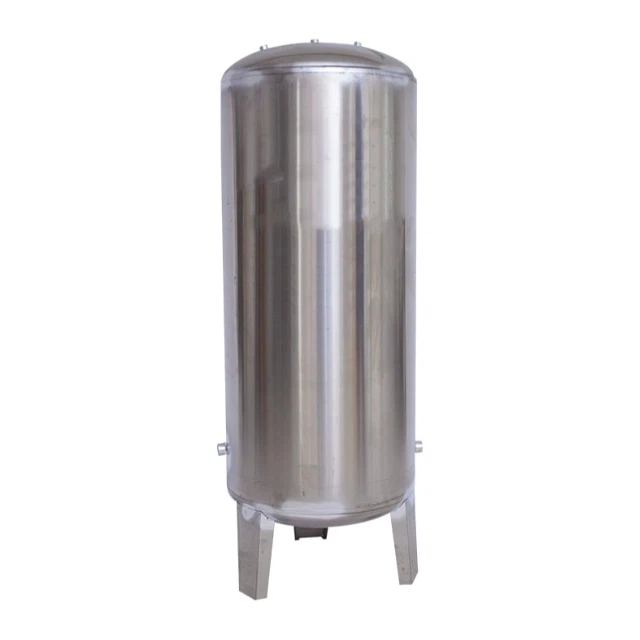

Another important factor is the quality of the stainless steel. High - grade stainless steel, like 304 or 316, is more corrosion - resistant and has better mechanical properties. This means it can maintain its integrity under pressure better than lower - grade materials. When choosing a stainless steel water reservoir, it's always a good idea to go for high - quality stainless steel to ensure a higher and more reliable pressure rating.
Let's talk about how we determine the pressure rating in practice. Manufacturers usually conduct a series of tests on the reservoirs. These tests involve subjecting the reservoir to increasing levels of pressure and monitoring it for any signs of deformation, leakage, or failure. The pressure at which the reservoir starts to show these signs is used to set the pressure rating. However, in real - world applications, it's recommended to operate the reservoir at a pressure well below its maximum rating to provide a safety margin.
Now, if you're in the market for a stainless steel water reservoir, you might also be interested in other stainless - steel products. We also offer Medical Grade Stainless Steel Storage Shelves and Stainless Steel Surgical Scrub Sink. These products are made with the same high - quality stainless steel and are designed to meet the specific needs of various industries.
Our Stainless Steel Water Reservoir comes with a clearly stated pressure rating, and we can also provide additional information and support to help you choose the right reservoir for your application. Whether you need a reservoir for a small - scale project or a large - scale industrial application, we've got you covered.
When it comes to using a stainless steel water reservoir, it's important to keep in mind that the pressure inside the reservoir can change due to various factors. For example, temperature changes can cause the water inside the reservoir to expand or contract, which in turn affects the pressure. If the temperature rises, the water expands, and the pressure inside the reservoir increases. So, it's essential to consider the operating temperature range when determining the appropriate pressure rating for your needs.
Also, the way the reservoir is installed and connected to other systems can impact the pressure it experiences. A poorly installed reservoir or one with improper connections can lead to uneven pressure distribution or pressure spikes. Make sure to follow the installation instructions carefully to ensure the reservoir operates safely within its pressure rating.
In addition to the factors I've mentioned above, maintenance also plays a role in maintaining the pressure rating of a stainless steel water reservoir. Regular inspections for signs of corrosion, damage, or wear and tear are necessary. Corrosion can weaken the stainless - steel material over time, reducing its ability to withstand pressure. If you notice any signs of corrosion or damage, it's important to address them promptly to prevent further deterioration.
If you're unsure about what pressure rating you need for your specific application, don't hesitate to reach out to us. We have a team of experts who can help you analyze your requirements and recommend the right stainless steel water reservoir. We understand that every project is different, and we're committed to providing you with the best solution.
In conclusion, the pressure rating of a stainless steel water reservoir is a critical aspect that depends on multiple factors such as material thickness, design, stainless - steel quality, and more. By choosing a high - quality reservoir, operating it within a safe pressure range, and maintaining it properly, you can ensure its long - term performance and safety.
If you're interested in purchasing a stainless steel water reservoir or have any questions about pressure ratings or our other products, we'd love to hear from you. Contact us to start a discussion about your needs and let's find the perfect solution for you.
References
- Stainless Steel Handbook: A comprehensive guide on the properties and applications of stainless steel.
- Industry standards for pressure vessels and water storage systems.