

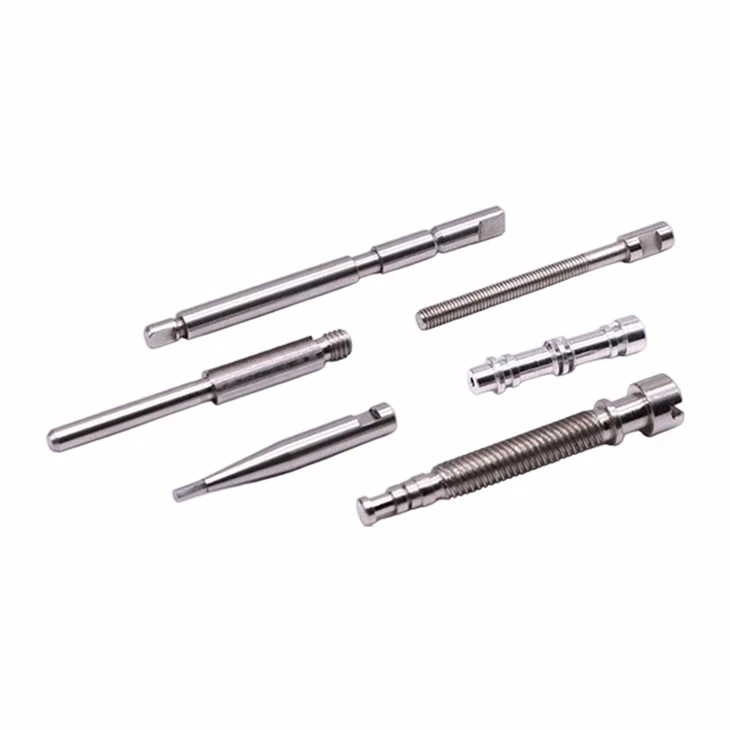
Cost - effectiveness is a crucial consideration in any manufacturing process, and stainless steel shaft pin machining is no exception. As a supplier deeply involved in Stainless Steel Shaft Pin Machining, I have witnessed firsthand the various factors that contribute to the cost - effectiveness of this specialized machining. In this blog, I will explore what cost - effectiveness means in the context of stainless steel shaft pin machining, examining different aspects such as material selection, manufacturing processes, and quality control.
Material Selection
The choice of material is fundamental to the cost - effectiveness of stainless steel shaft pin machining. Stainless steel comes in a wide range of grades, each with its own properties, advantages, and costs. For instance, austenitic stainless steels like 304 and 316 are popular choices due to their excellent corrosion resistance, good formability, and relatively lower cost compared to some other specialty grades.
When it comes to cost - effectiveness, we need to balance the material's performance requirements with its price. If the shaft pins are going to be used in a mildly corrosive environment, using a high - end super - duplex stainless steel might be overkill and would significantly increase the machining cost. Instead, a standard 304 grade could provide sufficient corrosion resistance at a much lower price point.
However, the cost of the material is not the only consideration. The machinability of the stainless steel grade also impacts the overall cost - effectiveness. Some grades of stainless steel are more difficult to machine, requiring specialized tooling, slower cutting speeds, and more frequent tool changes. This increases the machining time and the cost of tooling, which can offset the savings from using a cheaper material. For example, martensitic stainless steels are generally harder and more difficult to machine than austenitic grades. So, even if they are less expensive per unit weight, the additional machining costs can make them less cost - effective in the long run.
Manufacturing Processes
The manufacturing processes used in stainless steel shaft pin machining play a significant role in determining its cost - effectiveness. There are several common machining methods, including turning, milling, drilling, and grinding.
- Turning: Turning is often the first step in manufacturing shaft pins. It involves rotating the workpiece while a cutting tool removes material to create the desired shape. The cost - effectiveness of turning depends on factors such as the cutting speed, feed rate, and depth of cut. Optimizing these parameters can reduce the machining time and tool wear. For example, using high - speed steel (HSS) or carbide cutting tools can increase the cutting speed and improve the surface finish, reducing the need for additional finishing operations.
- Milling: Milling is used to create complex shapes and features on the shaft pins, such as flats, slots, or keyways. The choice of milling strategy, such as face milling or peripheral milling, affects the machining efficiency. A well - planned milling process can minimize the number of setups and tool changes, which in turn reduces the overall machining cost.
- Drilling: Drilling holes in shaft pins is a common operation. The quality of the drill bits and the drilling parameters are critical for cost - effectiveness. Using sharp drill bits and proper coolant can prevent drill breakage, reduce the cycle time, and ensure accurate hole dimensions.
- Grinding: Grinding is often used as a finishing operation to achieve high - precision dimensions and a smooth surface finish. However, grinding is a relatively slow and expensive process compared to other machining methods. To make it more cost - effective, we can use grinding wheels with the appropriate grit size and bonding material for the specific stainless steel grade. Additionally, optimizing the grinding parameters, such as the wheel speed and feed rate, can improve the material removal rate and reduce the grinding time.
In addition to these traditional machining processes, advanced manufacturing technologies such as CNC (Computer Numerical Control) machining have revolutionized stainless steel shaft pin machining. CNC machines offer high precision, repeatability, and flexibility. They can be programmed to perform complex machining operations with minimal human intervention, reducing the labor cost and the risk of human errors. Although the initial investment in CNC equipment is high, the long - term cost - effectiveness can be significant, especially for large - scale production.

Quality Control
Quality control is an integral part of ensuring cost - effectiveness in stainless steel shaft pin machining. Poor quality products can lead to increased costs in the form of rework, scrap, and customer complaints.
Implementing a comprehensive quality control system from the beginning of the machining process is essential. This includes inspecting the raw materials for defects, monitoring the machining operations in real - time, and conducting final inspections on the finished products.
- In - process inspection: During machining, in - process inspection can detect any issues early on, such as dimensional errors or surface defects. This allows for timely adjustments to the machining parameters or tooling, preventing the production of defective parts. For example, using coordinate measuring machines (CMMs) to measure the dimensions of the shaft pins during machining can ensure that they meet the specified tolerances.
- Final inspection: Final inspection of the finished shaft pins is crucial to ensure that they meet all the customer requirements. This may involve visual inspection, dimensional measurement, hardness testing, and corrosion resistance testing. By rejecting defective parts before they are shipped to the customer, we can avoid the cost of returns and rework, as well as protect our reputation in the market.
Cost - effectiveness in Comparison with Other Machining
When considering the cost - effectiveness of stainless steel shaft pin machining, it is also important to compare it with other types of machining, such as Stainless Steel Accessory Machining and Stainless Steel Bolt Machining.
Stainless steel shaft pin machining typically requires a higher level of precision compared to some stainless steel accessory machining. However, the production volume of shaft pins can vary greatly. In some cases, high - volume production of shaft pins can benefit from economies of scale, reducing the per - unit cost.
Compared to stainless steel bolt machining, shaft pin machining may involve more complex geometries and tighter tolerances. Bolts generally have a more standardized shape, which can make the machining process more straightforward and potentially less expensive. However, the cost - effectiveness of each type of machining depends on factors such as the specific design requirements, production volume, and the quality standards.
Conclusion and Call to Action
In conclusion, the cost - effectiveness of stainless steel shaft pin machining is a complex interplay of material selection, manufacturing processes, and quality control. By carefully considering these factors, we can optimize the machining process to achieve the best balance between cost and quality.
As a supplier of stainless steel shaft pin machining, we are committed to providing our customers with cost - effective solutions without compromising on quality. Our expertise in material selection, advanced machining technologies, and strict quality control measures allows us to deliver high - precision shaft pins at competitive prices.
If you are in need of stainless steel shaft pins or have any questions about our machining services, we encourage you to contact us for a detailed discussion. We are ready to work with you to understand your specific requirements and provide the most suitable cost - effective solutions.
References
- ASM Handbook Committee. (2000). ASM Handbook Volume 16: Machining. ASM International.
- Kalpakjian, S., & Schmid, S. R. (2013). Manufacturing Engineering and Technology. Pearson.
- Trent, E. M., & Wright, P. K. (2000). Metal Cutting. Butterworth - Heinemann.