

Hey there! As a supplier of Stainless Steel Machined Parts, I've seen firsthand the importance of safety precautions when machining stainless steel. It's not just about getting the job done; it's about ensuring the well - being of everyone involved. So, let's dive into what you need to know to stay safe during the machining process.
Personal Protective Equipment (PPE)
First off, PPE is non - negotiable. You gotta wear the right gear to protect yourself from potential hazards. Safety glasses are a must. Stainless steel machining can generate tiny metal chips and sparks. These can fly into your eyes, causing serious damage. So, always wear safety glasses with side shields to cover your eyes from all angles.
Next up, ear protection. Machining stainless steel is noisy work. Prolonged exposure to high - decibel noise can lead to hearing loss. You can choose between earplugs or earmuffs, depending on your preference. Just make sure they're properly fitted and rated for the noise levels in your workspace.
Gloves are also crucial. They protect your hands from sharp edges, cuts, and burns. When working with stainless steel, go for gloves that are cut - resistant and heat - resistant. Leather gloves can be a good option, but there are also high - tech synthetic gloves available that offer even better protection.
And don't forget about a dust mask or a respirator. Machining stainless steel can produce dust and fumes, which are harmful if inhaled. A good dust mask can filter out large particles, but for more fine dust and fumes, a respirator is recommended. Make sure it's the right type for the contaminants you're dealing with.
Machine Safety
Your machining equipment is the heart of the operation, and keeping it in good working condition is key to safety. Regular maintenance is essential. Check your machines for any signs of wear and tear, loose parts, or malfunctioning components. For example, if the conveyor belts on your machining center are frayed, it could cause the workpiece to shift during machining, leading to a dangerous situation.

Always follow the manufacturer's instructions for operating your machines. Every machine has its own set of rules, and ignoring them can be a recipe for disaster. Before you start machining, make sure you're familiar with all the controls, emergency stop buttons, and safety features of the equipment.
Keep your work area clean and organized. A cluttered workspace can increase the risk of accidents. Remove any debris, chips, or tools that are not in use. This not only makes it easier to operate the machines but also reduces the chances of tripping or falling.
Material Handling
Stainless steel parts can be heavy and awkward to handle. When you're moving them around the workshop, use proper lifting techniques. Bend your knees, keep your back straight, and lift with your legs, not your back. If the parts are too heavy to lift on your own, use lifting equipment like cranes, hoists, or forklifts.
Make sure the lifting equipment is in good condition and rated for the weight of the stainless steel parts. Before using it, check for any signs of damage, such as cracks in the cables or malfunctioning controls.
When storing stainless steel parts, stack them properly to prevent them from falling. Use storage racks that are designed to hold the weight and shape of the parts. If you're storing Irregular Grating, make sure it's placed in a way that won't cause it to shift or fall.
Cutting Fluids and Lubricants
Cutting fluids and lubricants play an important role in stainless steel machining. They help to cool the cutting tool, reduce friction, and extend the tool's life. However, they can also be a source of hazards.
Some cutting fluids can be toxic if they come into contact with your skin or are inhaled. Always wear appropriate PPE when handling cutting fluids. If you get any on your skin, wash it off immediately with soap and water.
Proper storage of cutting fluids is also important. Keep them in a labeled, sealed container in a well - ventilated area. Make sure the storage area is away from sources of heat and ignition, as some cutting fluids are flammable.
Fire Safety
Stainless steel machining can involve heat and sparks, which means there's a risk of fire. Keep a fire extinguisher nearby and make sure you know how to use it. Different types of fires require different types of extinguishers, so choose the right one for your workshop.
Remove any flammable materials from the work area. This includes oil - soaked rags, paper, and cardboard. If you have any waste materials that are flammable, store them in a proper container and dispose of them regularly.
Electrical Safety
Most machining equipment runs on electricity, so electrical safety is a big deal. Inspect all electrical cords and plugs regularly for any signs of damage, such as fraying or exposed wires. If you find any damage, replace the cord or plug immediately.
Don't overload electrical circuits. Make sure you're not plugging too many machines into one outlet. If you need to use multiple machines, use a power strip with a built - in circuit breaker.
When working on or near electrical equipment, always turn off the power at the source. This will prevent you from getting electrocuted if you accidentally come into contact with live wires.
Training and Education
One of the most important safety precautions is proper training and education. Make sure all your employees are trained on the safe operation of the machining equipment. They should know how to use the PPE correctly, follow the safety procedures, and respond to emergencies.
Regular safety meetings are also a good idea. These can be used to discuss any safety issues, share best practices, and update your employees on any new safety regulations.
Conclusion
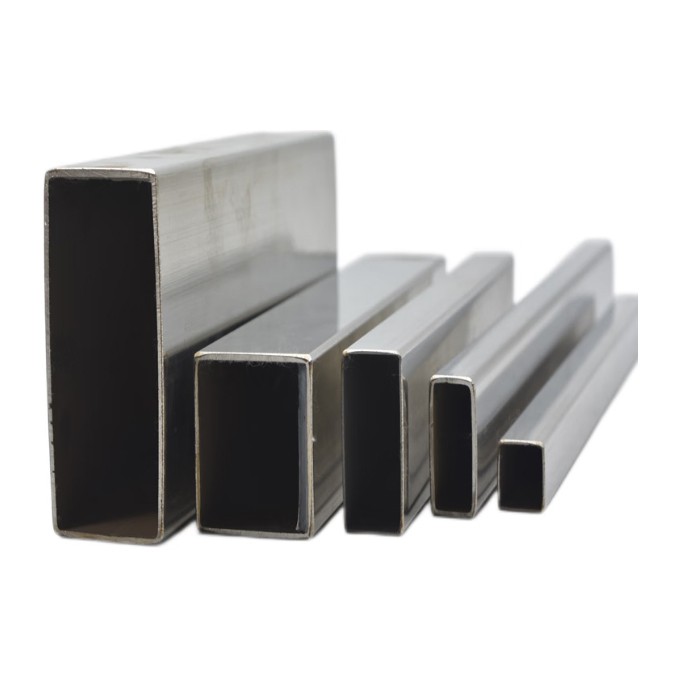
Machining stainless steel parts can be a rewarding but potentially dangerous job. By following these safety precautions, you can minimize the risks and create a safe working environment. Whether you're machining Non - standard Stainless Steel Square Tube or Modular Stainless Steel Railing, safety should always be your top priority.
If you're in the market for high - quality Stainless Steel Machined Parts, we're here to help. We've got the expertise and the equipment to meet your needs. Reach out to us to discuss your requirements and get a quote. Let's work together to bring your projects to life safely and efficiently.
References
- American National Standards Institute (ANSI). Safety standards for machine tools.
- Occupational Safety and Health Administration (OSHA). General industry safety regulations.
- Manufacturer's manuals for machining equipment.