

As a supplier of stainless steel construction materials, I often get asked whether stainless steel is a suitable choice for food - processing facilities. The answer is a resounding yes, and in this blog, I'll explain why.
The Advantages of Stainless Steel in Food - Processing Facilities
Hygiene and Cleanliness
One of the most critical requirements in food - processing facilities is maintaining high levels of hygiene. Stainless steel is an ideal material in this regard. It has a smooth, non - porous surface that does not allow bacteria, mold, or other contaminants to adhere easily. Unlike some other materials that may have crevices or pores where dirt and microorganisms can accumulate, stainless steel can be easily cleaned and sanitized.
Regular cleaning with mild detergents and disinfectants can keep stainless steel surfaces in food - processing areas spotless. This helps prevent the growth and spread of harmful pathogens, ensuring the safety of the food products being processed. For example, in a dairy processing plant, stainless steel tanks and pipes can be thoroughly cleaned between batches, minimizing the risk of cross - contamination.
Corrosion Resistance
Food - processing environments are often harsh, with exposure to various chemicals, acids, and salts. Stainless steel is highly resistant to corrosion, which means it can withstand these corrosive substances without deteriorating. This is crucial because corrosion can not only damage the construction materials but also contaminate the food.
For instance, in a seafood processing facility, where there is a high salt content in the air and water, stainless steel equipment and structures will not rust or corrode as quickly as other metals. This longevity reduces the need for frequent replacements, saving both time and money in the long run.
Durability
Stainless steel is a very durable material. It can withstand high temperatures, pressure, and mechanical stress. In food - processing facilities, there are often processes that involve high - temperature cooking, pasteurization, or high - pressure filling. Stainless steel can handle these conditions without losing its structural integrity.
For example, in a canning factory, stainless steel conveyor belts and processing machinery can operate continuously under high - stress conditions. Their durability ensures that the production process runs smoothly without frequent breakdowns, which is essential for maintaining productivity.
Aesthetic Appeal
In addition to its functional benefits, stainless steel also has an aesthetic appeal. It gives a modern and clean look to food - processing facilities. This is important not only for the overall appearance of the facility but also for meeting the expectations of customers and regulatory authorities. A well - presented food - processing area can enhance the reputation of the food company.
Specific Stainless Steel Construction Materials for Food - Processing Facilities
Stainless Steel Floor Drain
A proper drainage system is essential in food - processing facilities to remove wastewater, cleaning agents, and any spilled food products. Stainless Steel Floor Drain is an excellent choice for this purpose. It is made of high - quality stainless steel, which is resistant to corrosion and can withstand the heavy traffic and cleaning chemicals used in the facility.
The smooth surface of the stainless steel floor drain prevents the accumulation of debris and makes it easy to clean. It also has a proper design to ensure efficient drainage, reducing the risk of water pooling and the growth of bacteria.
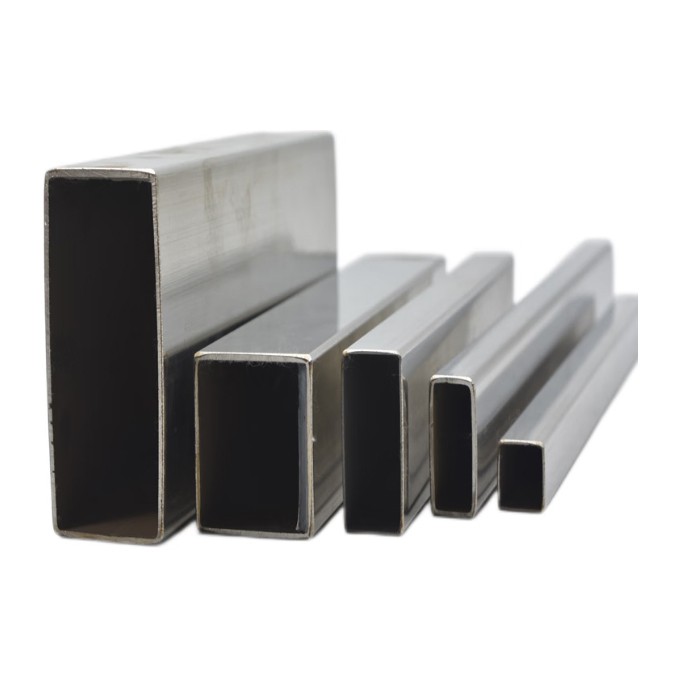
Non - standard Stainless Steel Square Tube
In food - processing facilities, there is often a need for custom - made structures and supports. Non - standard Stainless Steel Square Tube can be fabricated to meet specific requirements. These tubes can be used to build frames for equipment, shelving units, or partitions.
The strength and corrosion resistance of stainless steel square tubes make them suitable for use in wet and corrosive environments. They can be easily welded and shaped, allowing for the creation of complex structures that are both functional and durable.
Stainless Steel Machined Parts
Many food - processing machines require precision - made parts. Stainless Steel Machined Parts offer the necessary accuracy and reliability. These parts can be used in pumps, valves, and other critical components of food - processing equipment.
Stainless steel's resistance to wear and corrosion ensures that the machined parts have a long service life and can maintain their performance over time. This is crucial for the smooth operation of food - processing machinery.
Regulatory Compliance
Food - processing facilities are subject to strict regulations regarding food safety and hygiene. Stainless steel construction materials meet many of these regulatory requirements. For example, the U.S. Food and Drug Administration (FDA) has specific guidelines for materials that come into contact with food. Stainless steel is generally recognized as safe (GRAS) for use in food - processing applications.
Using stainless steel construction materials can help food - processing companies ensure compliance with these regulations, avoiding potential fines and legal issues. It also gives consumers confidence in the safety of the food products they purchase.
Considerations When Using Stainless Steel in Food - Processing Facilities
Grade Selection
There are different grades of stainless steel, each with its own properties. When choosing stainless steel construction materials for food - processing facilities, it's important to select the appropriate grade. For example, austenitic stainless steels, such as 304 and 316, are commonly used in food - processing applications due to their excellent corrosion resistance and weldability.
Surface Finish
The surface finish of stainless steel can also affect its performance in food - processing facilities. A smooth, polished finish is generally preferred as it is easier to clean and more resistant to bacteria adhesion. However, in some cases, a textured finish may be required for better grip or to prevent slippage.
Maintenance
Although stainless steel is relatively low - maintenance, proper maintenance is still necessary to ensure its long - term performance. Regular cleaning, inspection for signs of damage or corrosion, and timely repairs are essential. This will help extend the lifespan of the stainless steel construction materials and maintain the hygiene standards of the food - processing facility.
Conclusion
In conclusion, stainless steel construction materials are an excellent choice for food - processing facilities. Their hygiene, corrosion resistance, durability, and aesthetic appeal make them well - suited to the demanding requirements of the food - processing industry. Whether it's Stainless Steel Floor Drain, Non - standard Stainless Steel Square Tube, or Stainless Steel Machined Parts, stainless steel offers a reliable and cost - effective solution.

If you are in the process of building or renovating a food - processing facility and are considering using stainless steel construction materials, I encourage you to contact me for more information. I can provide you with detailed product specifications, pricing, and advice on the best materials for your specific needs. Let's work together to create a safe, efficient, and hygienic food - processing environment.
References
- "Food Safety Modernization Act (FSMA)". U.S. Food and Drug Administration.
- "Stainless Steel in the Food Industry". The Nickel Institute.
- "Corrosion Resistance of Stainless Steels in Food - Processing Environments". Journal of Food Science and Technology.